

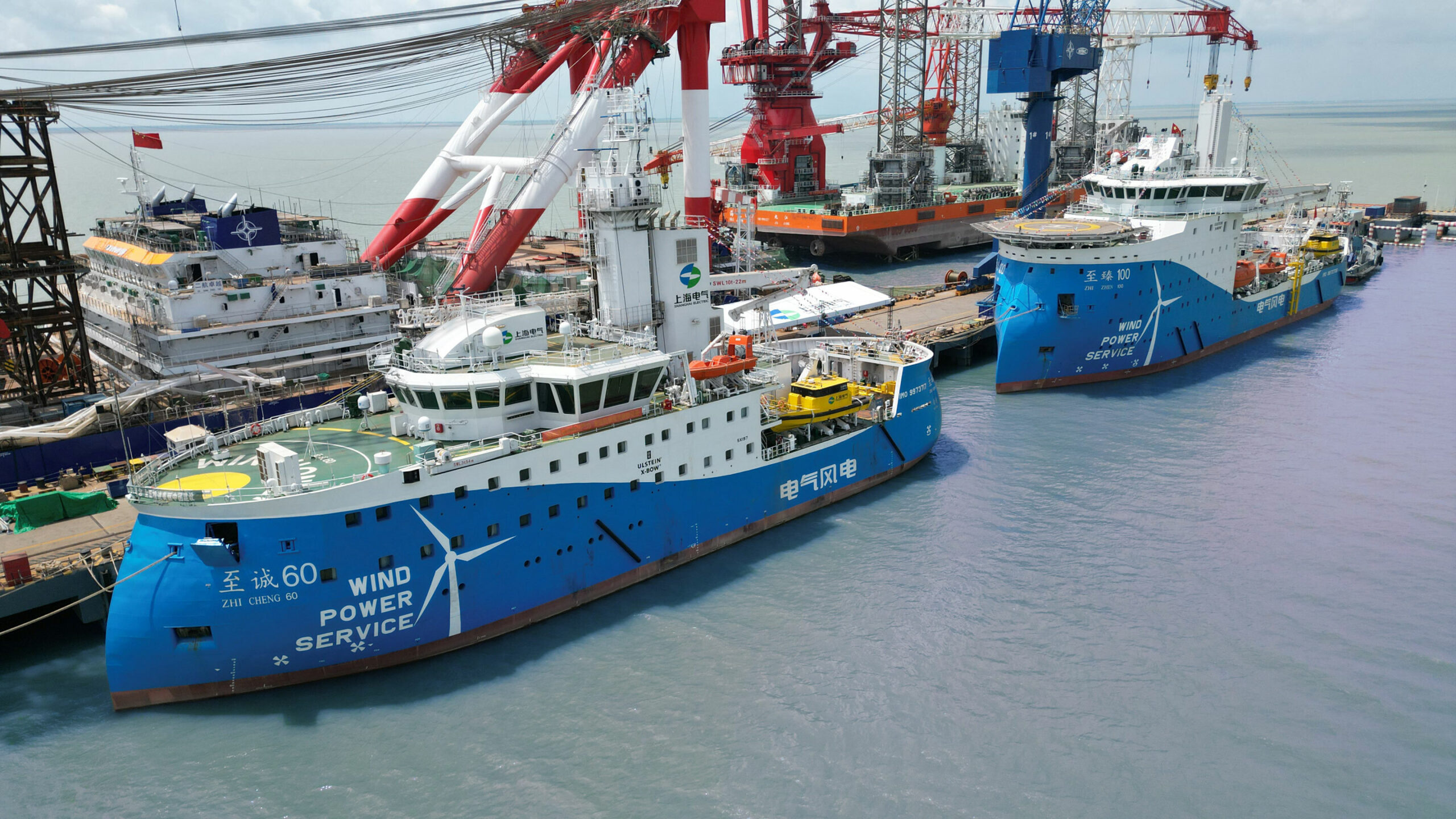
In the dynamic world of offshore wind energy, where massive turbines harness the power of ocean breezes to generate clean power, specialized ships like the SOV vessel are essential for keeping everything running smoothly. An SOV vessel, or service operation vessel, is designed to support the ongoing needs of wind farms located far from shore. Unlike vessels that make daily trips back to port, an SOV vessel often stays offshore for weeks at a time, acting as a mobile base for technicians and equipment. This approach might seem unusual at first, but it stems from practical operational demands in a challenging marine environment. By remaining on station, an SOV vessel minimizes disruptions, allows for timely interventions, and aligns with the round-the-clock nature of wind farm maintenance. As offshore wind projects grow in scale and distance from land, understanding why an SOV vessel adopts this strategy becomes key to appreciating the industry’s push for reliability and sustainability. In this explanation, we explore the conceptual reasons behind these extended stays, shedding light on how they contribute to effective offshore operations without delving into proprietary details.
Understanding the Role of an SOV Vessel
An SOV vessel serves as the backbone for maintenance and support in offshore wind farms. These ships are built to handle the unique requirements of working in open waters, where wind turbines stand tall and isolated, exposed to constant elements like waves and winds. The primary function of an SOV vessel is to provide a stable platform from which teams can access turbines for inspections, repairs, and routine checks.
Conceptually, think of an SOV vessel as a self-contained unit that brings the workshop closer to the work site. It carries spare parts, tools, and diagnostic equipment, allowing technicians to address issues right where they occur. This setup contrasts with land-based operations, where teams might drive to a site daily. At sea, daily returns to port would mean navigating long distances, which could take hours or even days depending on the farm’s location. By staying offshore, an SOV vessel eliminates this back-and-forth, enabling a more focused approach to keeping turbines operational. This endurance is made possible through thoughtful engineering that prioritizes stability and resource management, ensuring the vessel can function effectively over prolonged periods without compromising on core tasks.
The Efficiency of Continuous On-Site Presence
One core reason an SOV vessel stays offshore for weeks is to maximize efficiency in maintenance workflows. Offshore wind farms operate nonstop, with turbines generating power whenever the wind blows. Any downtime, even brief, can affect energy output, so quick responses to potential problems are vital. An SOV vessel positioned nearby allows technicians to transfer to turbines multiple times a day via safe methods like compensated gangways, which adjust to sea movements for secure crossings.
Returning to port daily would introduce delays—waiting for favorable weather, refueling, or resupplying—which could halt work entirely on rough days. Instead, an SOV vessel maintains a constant presence, enabling teams to monitor conditions in real time and intervene as needed. This conceptual shift from reactive to proactive maintenance means minor issues get fixed before they escalate, supporting steady performance across the wind farm. The vessel’s ability to store supplies and house crews onsite streamlines logistics, turning what could be fragmented efforts into a cohesive operation that aligns with the relentless pace of renewable energy production.
Enhancing Safety Through Reduced Transits
Safety is a paramount consideration in offshore environments, and this is another key factor driving why an SOV vessel remains at sea for extended durations. Each trip to and from port exposes the vessel and crew to additional risks, such as navigating through unpredictable weather or busy shipping lanes. By minimizing these transits, an SOV vessel reduces the overall exposure to potential hazards, allowing operations to proceed in a more controlled manner.
Conceptually, staying offshore lets the SOV vessel leverage its built-in stability features, like dynamic positioning systems that keep it steady near turbines without anchors. This stability supports safer transfers to platforms, even in moderate swells, where technicians can cross without the fatigue from long commutes. Crews benefit from consistent routines, with onboard medical support and rest areas ensuring they stay alert and healthy. In rougher conditions, the SOV vessel can wait out storms on station, avoiding the dangers of sailing back to harbor. This approach conceptually prioritizes human well-being and vessel integrity, fostering a safer workspace that contributes to the long-term viability of offshore wind projects.
Cost-Effectiveness in Long-Term Operations
From an operational standpoint, having an SOV vessel stay offshore for weeks offers clear cost advantages over frequent port returns. Fuel consumption for repeated long-distance voyages adds up quickly, especially for farms located dozens of miles from shore. An SOV vessel, by contrast, optimizes energy use through efficient propulsion and positioning, conserving resources while remaining productive.
Resupply can be managed periodically via support boats or helicopters, which is more economical than daily full-vessel trips. This setup allows for better allocation of time and labor—technicians spend more hours on actual maintenance rather than in transit. Conceptually, it’s like setting up a temporary office near a remote job site instead of commuting daily; the initial investment in the SOV vessel’s capabilities pays off through reduced operational interruptions and higher turbine uptime. In the broader context of offshore wind, where projects aim for financial sustainability alongside environmental benefits, this strategy helps control expenses while delivering consistent results.
Crew Comfort and Morale During Extended Stays
A significant aspect of why an SOV vessel is suited for weeks-long offshore deployments is its emphasis on crew comfort. Living at sea for prolonged periods requires more than basic shelter; it demands an environment that supports physical and mental health. An SOV vessel is equipped with amenities like private cabins, dining facilities, and recreational areas, creating a home-like atmosphere amid the waves.
Meals are prepared onboard to maintain nutrition, and fitness spaces help counteract the confines of ship life. Internet connectivity keeps crews linked to family, easing the isolation of remote work. Conceptually, this setup acknowledges that well-rested and motivated teams perform better, handling shifts effectively without the drain of daily travel. By fostering morale through these features, an SOV vessel ensures sustained productivity, making extended stays not just feasible but preferable for complex wind farm tasks.
Technological Support for Prolonged Offshore Functionality
Technology plays a pivotal role in enabling an SOV vessel to function effectively over weeks without port reliance. Advanced monitoring systems link the vessel to turbine data, allowing real-time diagnostics from onboard control rooms. This means issues can be identified and addressed swiftly, without needing external input every time.
Storage for parts and tools means the SOV vessel can handle a range of repairs independently, while hybrid power systems manage energy needs efficiently. Drones launched from the deck provide aerial views for inspections, extending the vessel’s reach conceptually without additional trips. These innovations turn the SOV vessel into a versatile unit, capable of adapting to evolving conditions while maintaining operational continuity. In offshore wind projects, this technological backbone supports the decision to stay offshore, ensuring the vessel remains a reliable asset in pursuing renewable energy goals.
Environmental Considerations in Offshore Deployments
Staying offshore for weeks also aligns with environmental principles in offshore wind operations. Frequent port returns would increase fuel use and emissions, countering the clean energy ethos of wind farms. An SOV vessel, by minimizing travel, reduces its carbon footprint while supporting low-impact maintenance.
Waste management and water systems onboard promote sustainability, handling resources carefully during long stays. Conceptually, this approach reflects a commitment to eco-friendly practices, where the SOV vessel contributes to the overall green profile of wind projects. As the industry focuses on reducing environmental effects, extended offshore presence becomes a strategic choice that balances operational needs with planetary care.
FAQs
What is the main purpose of an SOV vessel in offshore wind?
An SOV vessel acts as a mobile base for maintenance teams, allowing them to work near turbines without daily shore returns.
How does staying offshore improve efficiency for an SOV vessel?
It enables quick responses to issues and continuous operations, reducing time lost to travel.
Why is safety enhanced when an SOV vessel stays at sea?
Fewer transits mean less exposure to risks like bad weather or navigation hazards.
Are crews comfortable during weeks on an SOV vessel?
Yes, with amenities like cabins and dining areas, an SOV vessel supports rest and morale.
How does technology help an SOV vessel during long stays?
Monitoring systems and storage allow independent handling of repairs and diagnostics.
What environmental benefits come from extended offshore stays?
An SOV vessel reduces emissions by minimizing unnecessary trips to port.
Final Words
The enduring presence of an SOV vessel offshore embodies the innovative spirit of offshore wind, where practicality meets progress to fuel a cleaner future. By choosing extended stays over daily returns, these vessels optimize every aspect of operations, proving that thoughtful strategies can conquer the sea’s challenges. As wind energy evolves, the SOV vessel will remain a symbol of resilience, guiding the industry toward greater sustainability and reliability on the waves.
