

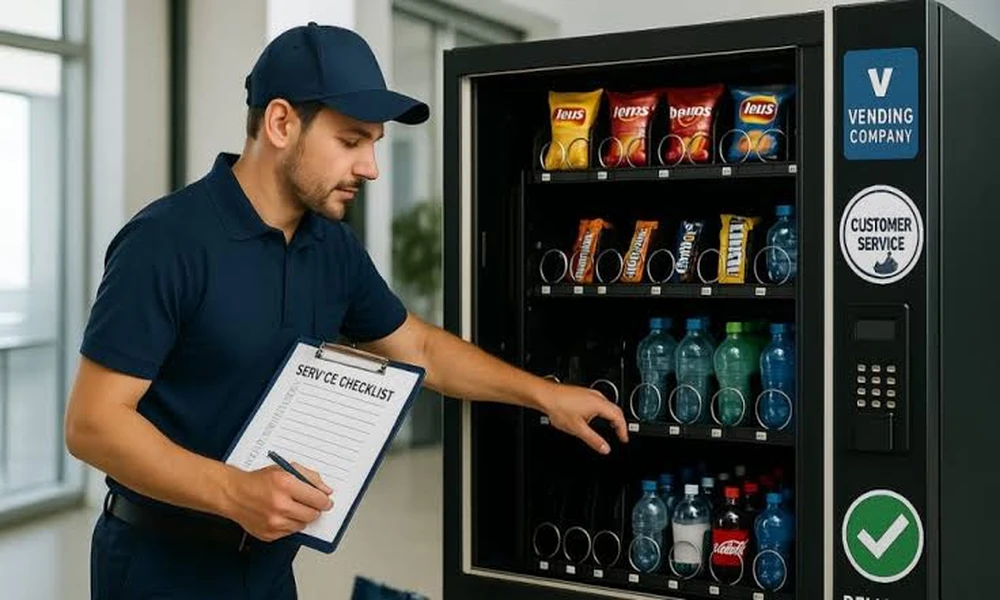
Today’s vending machines use wireless connectivity in order to achieve several tasks. Apart from dispensing the product, this vending machine can accept digital payments, transfer sales data, check for inventory, and even communicate with external management systems. Network connectivity helps to accomplish all of these tasks efficiently without any need for continuous human monitoring. The significance of network management in this context, which includes IDM Wireless solutions, is evident from the above discussion.
Supporting Digital Payments
One of the primary reasons why vending machines have to have dependable internet connectivity is the increasing adoption of cashless transactions. Consumers prefer to pay for items using debit cards, credit cards, and mobile wallets. The process requires the establishment of a connection between the payment terminals of vending machines and third-party payment processing services.
Any disruptions or poor connectivity can lead to delayed or unsuccessful transactions. Stable connectivity ensures that payment terminals are able to connect to payment processing services and validate any transactions promptly. Another function facilitated by reliable connectivity is transaction reporting. Any payment data can be sent to management systems, enabling monitoring of transactions and identifying potential problems related to payment.
Real-Time Inventory Management
Vending machines that are connected can offer operators information on stock availability without conducting manual checks. Stock availability information is gathered by sensors and monitoring systems in the vending machine and transmitted using wireless technology. The inventory information enables the operator to be aware of empty spaces, popular stock, and the need for stocking the machine.
Instead of sticking to a specific schedule, companies can conduct their visits based on the inventory information. It is important to have reliable connectivity since late update information can mean wrong inventory information. For companies operating several vending machines, having reliable connectivity ensures that inventory information is more manageable.
Remote Monitoring and Troubleshooting
Vending machines are often located in offices, shopping centres, transportation hubs, and other areas where it is difficult to have on-site supervision. Remote monitoring makes it possible for the operator to monitor the operation of the machine via the central management system. This may include details on the connectivity of the device, performance, and data usage.
If the machine faces some problems with communication, then the operator will be able to detect which machine has the problem and troubleshoot remotely. Remote troubleshooting also prevents unnecessary trips to the vending machines since some of the temporary problems can be solved remotely via device management. But hardware failure, as well as power problems, will still need physical inspection.
Reducing Operational Downtime
Connectivity disruptions can impact various aspects of a vending machine. If the vending machine is not connected, it will be unable to facilitate payment processes, send stock reports, and connect to its management system. When a company is managing multiple vending machines, connectivity disruptions can lead to added maintenance problems.
By monitoring the connectivity status, one will be able to find out about connectivity disruptions, thus receiving data for further troubleshooting by the tech support team. Appropriate wireless connectivity equipment, good network coverage, and remote reboots can minimize the impact of the temporary disruption. In addition, connection health monitoring allows an operator to analyze connectivity disruptions and check what might have caused them.
Improving Network Security
Information exchange among the interconnected vending machines is carried out through wireless networks. As such, it becomes necessary to address the question of security in the use of connected vending machines. Secure network operations include encryption of data, device authentication, access control, and timely software updates.
There are also network management systems that can assist machine owners in monitoring the connected devices for any unusual behavior. Businesses that own vending machines distributed at various sites require security standardization. The correct configuration of devices along with constant monitoring are necessary for secure operations.
Supporting Unattended Retail
A reliable connection is also necessary for the latest type of retailers that include intelligent lockers and micro markets where there is interaction between the payment terminals, access systems, monitoring tools and management system. Unattended retail solutions become more popular, and the task of controlling numerous connected devices becomes more crucial. The centralized management system and reliable wireless communication can allow companies to control the equipment without sending employees.
The Importance of Reliable Networks
Wireless connectivity has been an integral element of the functioning of vending machines. It enables digital payment services, inventory management, remote monitoring, troubleshooting, and network security. Learning about all these elements, including connectivity and device management issues related to IDM Wireless, reveals how good networks help run an unmanned business successfully.
